Have you ever tasted a warm slice of freshly baked white bread? The fragrance wafting from the kitchen can transport you to a world of comfort and nostalgia. White bread, with its soft, pillowy texture, is a staple in many households. It’s versatile enough to serve as a base for sandwiches, a side for soups, or simply enjoyed with a pat of butter. If you’re ready to explore the art of baking white bread at home, this guide will walk you through the process step by step, making your culinary adventure both enjoyable and rewarding.
Print
Homemade White Bread
- Total Time: 120 minutes
- Yield: 1 loaf 1x
Description
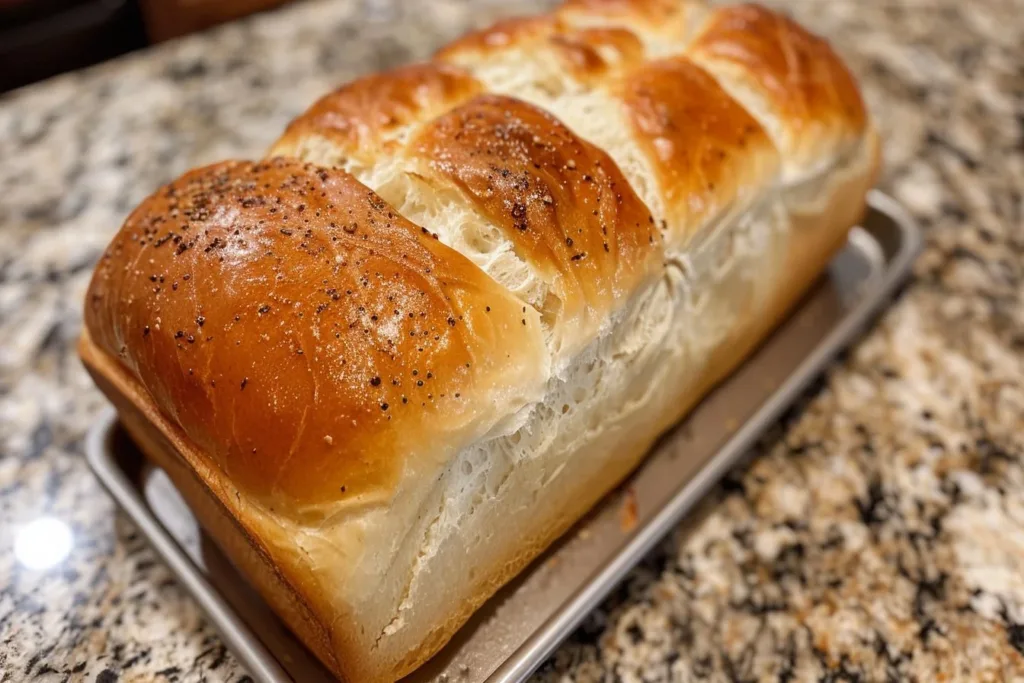
Learn how to bake a warm, comforting loaf of homemade white bread with soft texture – perfect for sandwiches or enjoying with butter.
Ingredients
- 4 cups all-purpose flour
- 2 tablespoons granulated sugar
- 1 tablespoon salt
- 2¼ teaspoons active dry yeast (one packet)
- 1¾ cups warm water (about 110°F or 43°C)
- 2 tablespoons unsalted butter, melted
- Optional: Additional flour for dusting, seeds for topping
Instructions
- Combine warm water, sugar, and yeast in a large mixing bowl. Let it sit for about 5-10 minutes until frothy.
- Add melted butter and salt to the yeast mixture. Mix well, then gradually add flour, one cup at a time.
- Transfer the dough to a floured surface and knead for about 8-10 minutes until smooth and elastic.
- Place the kneaded dough in a greased bowl, cover with a damp cloth, and let it rise in a warm area for about 1 hour, or until doubled in size.
- Punch down the dough after the first rise to release air. Shape into a loaf and place in a greased 9×5-inch loaf pan. Let it rise again for another 30 minutes.
- Preheat your oven to 350°F (175°C). Bake the risen dough for 30-35 minutes or until golden brown.
- Remove from the oven and cool in the pan for 10 minutes before transferring to a wire rack.
Notes
For a healthier loaf, switch half the flour for whole wheat flour or use honey instead of sugar. Consider using vegetable oil for a vegan version.
- Prep Time: 15 minutes
- Cook Time: 30 minutes
- Category: Baking
- Method: Baking
- Cuisine: American
Nutrition
- Serving Size: 1 slice
- Calories: 150
- Sugar: 1g
- Sodium: 400mg
- Fat: 5g
- Saturated Fat: 2g
- Unsaturated Fat: 3g
- Trans Fat: 0g
- Carbohydrates: 28g
- Fiber: 1g
- Protein: 4g
- Cholesterol: 10mg
Ingredients
To bake the perfect white bread, you’ll need the following ingredients:
- 4 cups all-purpose flour
- 2 tablespoons granulated sugar
- 1 tablespoon salt
- 2¼ teaspoons active dry yeast (one packet)
- 1¾ cups warm water (about 110°F or 43°C)
- 2 tablespoons unsalted butter, melted
- Optional: Additional flour for dusting, seeds for topping
Substitutions:
- For a healthier option, you can replace a portion of the all-purpose flour with whole wheat flour.
- Use honey instead of sugar for a natural sweetener.
- If you prefer a vegan version, substitute unsalted butter with vegetable oil.
Timing
Getting the timing right is crucial for baking white bread. Here’s a breakdown to help you plan:
- Prep Time: 15 minutes
- Rise Time: 1 hour (first rise), 30 minutes (second rise)
- Cooking Time: 30-35 minutes
- Total Time: Approximately 2 hours, including rising time
Taking that into consideration, having a nice loaf of homemade bread can be completed in just a couple of hours. Plus, while waiting, you can use the time to relax or prep your meal!
How to Make White Bread
Baking white bread requires patience and practice, but the steps are straightforward. Let’s dive into the method!
Step 1: In a large mixing bowl, combine warm water, sugar, and yeast. Stir gently and let it sit for about 5-10 minutes until it becomes frothy. Activate the yeast; this is crucial for the bread to rise properly.
Step 2: Once the yeast mixture is frothy, add the melted butter and salt. Mix well, then gradually add the all-purpose flour, one cup at a time. Use a wooden spoon or your hands to form a dough. If it feels too sticky, you can sprinkle in a bit more flour.
Step 3: Transfer the dough to a floured surface. Knead the dough for about 8-10 minutes until it becomes smooth and elastic. Make sure to incorporate some flour on your surface as needed to prevent sticking.
Step 4: Place the kneaded dough into a greased bowl, cover it with a damp cloth, and let it rise in a warm area for about 1 hour, or until it has doubled in size.
Step 5: After the first rise, punch down the dough to release air. Shape it into a loaf and place it into a greased 9×5-inch loaf pan. Cover it again and let it rise for another 30 minutes.
Step 6: Preheat your oven to 350°F (175°C). Once the dough has risen once more, bake it in the preheated oven for 30-35 minutes or until the top is golden brown. Tap the bottom of the loaf; if it sounds hollow, it’s done!
Step 7: Remove the bread from the oven and let it cool in the pan for about 10 minutes before transferring it to a wire rack to cool completely.
Healthier Alternatives
Baking white bread doesn’t have to mean sacrificing health. Here are a few smart swaps:
- Flour Alternatives: Use whole wheat flour for added fiber.
- Sweetener Options: Try using agave syrup or maple syrup instead of granulated sugar for a more natural sweet flavor.
- Butter Substitutes: For a dairy-free option, consider using coconut oil.
Making these adjustments can elevate the nutritional content of your bread without compromising taste.
Serving Suggestions
You’ve baked a beautiful loaf. Now, let’s get creative with serving! Here are some imaginative ideas:
- Breakfast Delight: Toast slices and serve with avocado, a drizzle of olive oil, and a sprinkle of salt for a savory kick.
- Sandwich Base: Use the bread to create classic deli sandwiches with turkey and Swiss or a veggie-packed delight with hummus and roasted peppers.
- Side Dish: Pair slices with soups or salads. Feel free to add a side of flavored butter (like garlic herb) to enhance the experience.
- Creative Plating: Slice the bread and layer it on a wooden board, garnished with fresh herbs or a sprinkle of paprika or sesame seeds for visual appeal.
Common Mistakes to Avoid
Baking can be tricky sometimes. Here are some pitfalls to watch out for:
- Skipping the Blooming Yeast: Not allowing the yeast to froth can result in flat bread. Always activate it!
- Over-kneading the Dough: While kneading is crucial, overdoing it can produce tough bread. Aim for a smooth, elastic texture.
- Not Monitoring Oven Temperature: An overly hot or cool oven can alter baking times. Use an oven thermometer to ensure accuracy.
- Cutting Before Cooling: Patience is key! Cutting into the bread too early can lead to a dense texture, let it cool completely.
Storage Tips
To keep your freshly baked white bread at its best:
- Room Temperature: Store it in a bread bag or wrapped in a kitchen towel for up to 3-4 days.
- Freezing: For longer storage, slice the loaf and freeze it. Wrap tightly in plastic and store for up to 3 months.
- Reheating: To enjoy, simply pop slices in the toaster or wrap a whole loaf in foil and place it in a preheated oven at 350°F for about 10-15 minutes.
FAQs
What type of flour works best for white bread?
All-purpose flour is ideal for traditional white bread as it has the right protein content for good structure and texture.
Can I use instant yeast instead of active dry yeast?
Yes! Substitute instant yeast for active dry yeast without needing to activate it in warm water first. Just mix it directly with your dry ingredients.
How can I make my bread more flavorful?
Adding herbs, garlic powder, or even some cheese to the dough can enhance the flavor profile of your white bread.
Is it normal for my bread to collapse after baking?
If your bread collapses, it could be due to over-proofing or underbaking. Ensure the dough is allowed to rise properly and monitor baking times closely.
Can I add seeds or nuts to my white bread?
Absolutely! Feel free to mix in seeds like sunflower or poppy seeds, or nuts for added flavor and texture before the final shape.
Conclusion
Baking white bread at home isn’t just fulfilling; it brings joy with each slice. You can impress your family and add a personal touch to any meal. The comforting aroma, the beautiful crust, and the soft inside all lend themselves to a truly delightful experience. Don’t hesitate! Dive into this recipe, and discover how easy it is to whip up your own loaf of white bread.